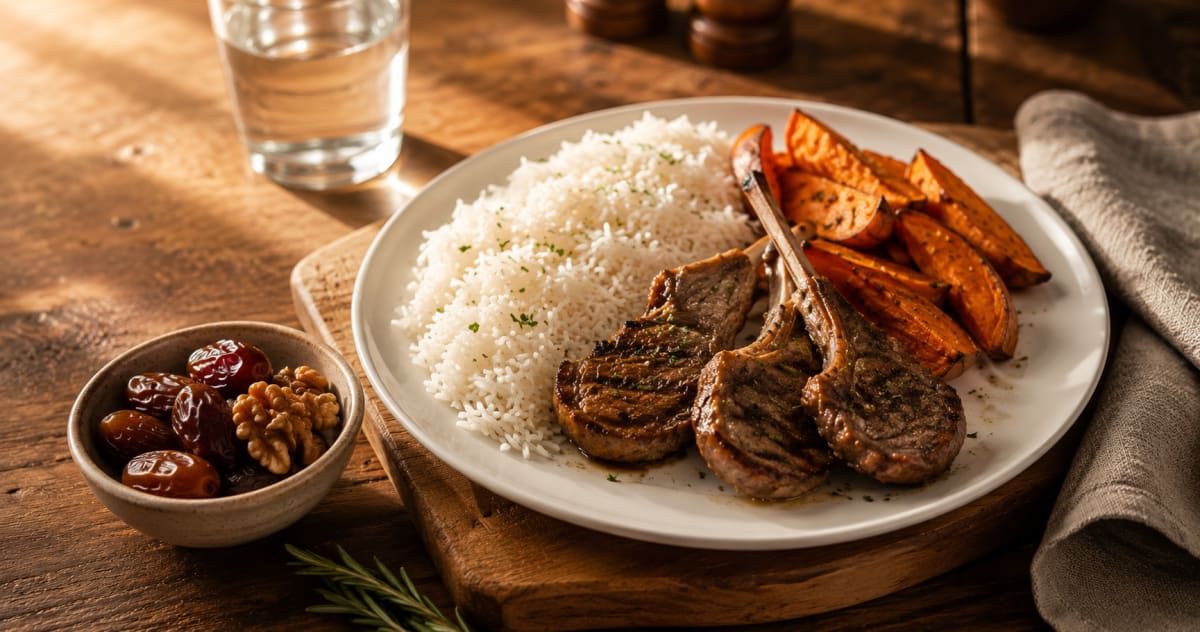
The Dr. Diaa Al-Awadi diet — known in Arabic as Al-Tayebaat — is among the most influential dietary systems in the Arab world today. Developed by the late Egyptian physician Dr. Diaa Al-Din Shalaby Mohamed Al-Awadi (1979-2026), it offers a radically simple proposition: eat the foods humans have eaten for centuries, time them correctly, fast regularly, and your body will restore itself to health. This comprehensive 30-minute guide walks you through every food, every rule, every meal pattern, and exactly how to start.
📑 Table of Contents
- 1. Quick Overview
- 2. About Dr. Al-Awadi
- 3. The Core Principles
- 4. The 5 Foundational Foods
- 5. A Day on the Diet
- 6. Sample Weekly Meal Plan
- 7. The 4-Week Starter Plan
- 8. Allowed Foods (Detailed)
- 9. Forbidden Foods (Detailed)
- 10. Weight Loss on This Diet
- 11. Reported Benefits
- 12. Common Mistakes to Avoid
- 13. Special Cases & Considerations
- 14. The Science & Criticism
- 15. Frequently Asked Questions
Quick Overview of the Dr. Al-Awadi Diet
In essence, the Dr. Al-Awadi diet is a back-to-basics natural eating system that categorizes all foods into two groups: Tayebaat (89 wholesome foods that nourish) and Khabaa'ith (81 harmful foods to avoid). But the diet is far more than a food list. It's a complete framework addressing four critical dimensions:
- What to eat — the 89 allowed foods
- What to avoid — the 81 forbidden foods
- When and how to eat — six golden rules governing timing and quantity
- How to combine foods — simple combinations of 2-3 items per meal
Eating is for living with health — not the other way around. Give your body rest from constant digestion, and it will restore its own balance.
The system rests on three core convictions: (1) the body has a precise digestive cycle that modern processed foods disrupt, (2) certain foods are perfectly calibrated for human physiology while others overload it, and (3) by returning to traditional, simple eating and incorporating regular fasting, the body's hormonal balance — which modern eating destroys — can be restored to its natural state.
What Makes This Diet Different
Several elements distinguish Dr. Al-Awadi's approach from popular Western diets:
- Embraces carbohydrates: Rice, potatoes, dates, and even sugar are daily staples — directly opposing low-carb and Keto philosophies
- Forbids dairy: Milk is harmful, not healthy; only aged fermented cheeses are allowed
- Animal protein cycling: No daily meat — alternating days are mandatory
- Trust thirst, not schedules: Drink only when thirsty; the "8 glasses" rule is rejected
- Mandatory fasting: Mondays and Thursdays plus lunar dates — not optional
- 2-3 items per meal: Simple combinations, no buffet-style eating
About Dr. Diaa Al-Awadi
Dr. Diaa Al-Din Shalaby Mohamed Al-Awadi was born in 1979 in Cairo into an academic family. He graduated with honors from the Faculty of Medicine at Ain Shams University in Cairo — one of Egypt's most prestigious medical institutions — and specialized in anesthesiology, intensive care medicine, and pain management.
His clinical practice spanned over a decade at private clinics in Nasr City and Nozha districts of Cairo. His background in anesthesiology gave him an unusual perspective on nutrition: this specialty requires precise understanding of drug interactions, body physiology under stress, and how systems respond when pushed to their limits. This precision would later inform his nutritional teaching.
The Transition to Nutrition
Dr. Al-Awadi's shift from operating theatre to dietary teaching came not from theory but from clinical observation. Year after year, he watched patients arrive for surgery already weighed down by metabolic disorders, chronic inflammation, digestive distress, autoimmune flare-ups, and complications that prolonged recovery. The medications addressed symptoms, but the underlying patterns remained untouched.
He began asking what they had been eating in the months and years before they became patients — and the answers consistently pointed at industrialized food, daily meat consumption, excessive dairy, and constant snacking.
His Reach and Influence
Through Facebook, YouTube, Instagram, and other social media platforms, Dr. Al-Awadi reached over one million followers, becoming one of the most influential voices in Arabic-language medical discourse. His short videos combined clinical reasoning with religious dietary principles, drawing both fervent supporters and serious critics.
His unexpected passing in April 2026 in Dubai at the age of 47 was a shock to his community. What's certain is that he left behind a comprehensive body of teachings that continues to shape how millions approach food.
The Core Principles in Detail
Six rules govern every aspect of the Dr. Al-Awadi diet. These aren't suggestions — they are the operating system of the entire approach. Understanding each in depth is essential for proper application.
Principle 1: Eat Only When Truly Hungry
Most modern eating is not driven by genuine hunger. It's driven by the clock, by social contexts, by stress, by emotional patterns, or simply by habit. Dr. Al-Awadi insisted on distinguishing genuine physical hunger from these other drives.
True hunger develops gradually, is felt in the stomach, can be patient, and will accept any allowed food. False hunger comes suddenly, lives in the mind rather than the body, is impatient, and demands something specific.
Principle 2: The 80% Rule
Eat until you're 80% full, never until you're stuffed. This single principle, when applied consistently, transforms digestive health. The remaining 20% empty space allows the stomach to actually process food rather than just contain it. Documented benefits include improved nutrient absorption, reduced post-meal fatigue, weight stabilization, and even extended longevity in observational studies (the famous Okinawan "hara hachi bu" principle).
Principle 3: Maximum 2-3 Items Per Meal
Complex meals overwhelm digestion. The stomach must produce different enzymes for different foods, and these enzymes work optimally on simple combinations. A plate of rice, lamb, and olive oil digests far more efficiently than a plate combining 8 different ingredients.
Variety should come between meals, not within them. Eat differently across the day and week, but keep each individual meal simple.
Principle 4: Drink Only When Thirsty
The modern obsession with constant hydration ("8 glasses minimum, 2 liters daily, drink before you're thirsty!") has no solid scientific foundation. The body has a sophisticated thirst regulation mechanism. Excessive water intake:
- Dilutes digestive enzymes (especially when consumed with meals)
- Stresses the kidneys
- Disrupts electrolyte balance
- Can lead to hyponatremia in extreme cases
Principle 5: Regular Fasting
Fasting is foundational to the Al-Awadi diet, not optional. The system recommends:
- Weekly: Mondays and Thursdays as fast days (Islamic tradition)
- Monthly: The 13th, 14th, and 15th of each lunar month (white days)
- Daily: The natural 12-14 hour overnight fast (from dinner to breakfast)
- Yearly: Ramadan as the deepest fasting experience
Modern research has begun catching up to what traditional cultures have practiced for millennia. Fasting triggers autophagy (cellular self-cleaning), improves insulin sensitivity, reduces inflammation markers, and stimulates beneficial hormonal cascades.
Principle 6: Day On, Day Off for Animal Protein
Perhaps the most counterintuitive rule for many: do not eat animal protein every day. Full digestion of meat or fish can take 12-48 hours depending on the protein source. Daily consumption creates continuous digestive load that the body never gets to release from. Alternating gives the system time to fully process each protein meal.

The 5 Foundational Foods
At the heart of the Dr. Al-Awadi diet are five staple foods that can be consumed daily and without restriction. These aren't just "allowed" — they're considered the cornerstones the body needs every single day:
1. White Rice — The Universal Base
Plain white rice is the most clean-burning carbohydrate the body can process. Basmati, Egyptian, Thai jasmine — any quality rice works. Avoid garlic-laden or complex rice preparations; keep it simple. Rice provides clean energy without digestive stress.
2. Potatoes — Regular and Sweet
Potatoes — boiled, baked, mashed, or fried in proper oils — are ideal carbohydrates. Sweet potatoes are equally welcome and offer additional carotenoids. The modern fear of potatoes is misplaced; the problem is typically what's added to them, not the potato itself.
3. Dates — Nature's Energy Source
Dates are remarkably nutrient-dense: rich in iron, magnesium, potassium, and natural sugars. They provide quick energy, are excellent before or after fasting, and are particularly recommended for pregnant women. Medjool dates are especially nutritious.
4. Natural Butter — The Daily Fat
Real butter from grass-fed cows provides fat-soluble vitamins (A, D, E, K2), short-chain fatty acids beneficial for gut health, and the deep satisfaction only natural fats provide. The decades-long demonization of butter is among modern nutrition's most persistent errors. Avoid margarine, "vegetable spreads," and butter substitutes entirely.
5. Sugar — Yes, Really
Dr. Al-Awadi argued strongly against the modern war on sugar, distinguishing between natural sugar (cane, beet, date molasses, honey) and industrial sweeteners. The body needs glucose — every cell, especially the brain, depends on it. Pure cane sugar in moderate amounts is welcomed; the industrial high-fructose corn syrup and artificial sweeteners flooding modern food are forbidden.
💡 Why These Specific Five?
Each has been part of human diets for thousands of years. They're nutrient-dense, easily digestible, and the body has co-evolved with them. They provide energy without stressing the digestive or hormonal systems — making them ideal daily staples regardless of age or activity level.
A Day on the Dr. Al-Awadi Diet
The system is as much about timing as it is about food. Here's what a typical day looks like for someone following the Dr. Al-Awadi protocol properly:
🌅 Morning — Upon Waking (7-8 AM)
Start with a glass of water if thirsty. Then, 3-5 dates, perhaps with a small glass of warm herbal tea (cinnamon, anise, or fennel). Dates provide minerals and quick natural energy that wake the body gently. No coffee yet — let the digestive system warm up first.
☕ Mid-Morning (9-10 AM)
A small piece of whole wheat bread with natural butter, accompanied by Turkish coffee (made from a trusted source). Or a piece of aged cheese with a glass of green tea. Light, simple, satisfying.
🍽️ Main Meal — Mid-Day to Early Afternoon (12-2 PM)
This is the most substantial meal. On an animal protein day: a plate of white rice with grilled lamb, beef, or camel meat, with a baked or fried potato and a drizzle of olive oil or natural butter. Three items maximum. Eat until 80% full, then stop.
🥜 Afternoon (4-5 PM) — Only If Hungry
Only if truly hungry, not just because the time has passed. A handful of almonds, walnuts, or pistachios. Or a few pieces of aged cheese with a small piece of whole wheat bread. Or fresh apples (peeled), grapes, or pomegranates if in season.
🌙 Evening (7-8 PM) — Light
Keep evening intake minimal to allow proper digestion before sleep. A cup of cinnamon tea or green tea. Perhaps a small amount of natural honey with a few walnuts if needed. Avoid heavy meals after sunset.
💤 Before Bed (10 PM+)
Nothing. Allow at least 3 hours between your last food and sleep. The overnight fast (12-14 hours from dinner to breakfast) is part of the daily fasting practice and is essential for the system to work.
Sample Weekly Meal Plan
Below is a one-week sample meal plan demonstrating the practical application of all the principles: protein cycling, fasting days, simple combinations, and the 5 essentials woven throughout:
| Day | Breakfast | Lunch | Dinner |
|---|---|---|---|
| Monday (Fasting) | Water + 3 dates | Fast — skip lunch | Rice + grilled lamb + olive oil |
| Tuesday | Whole wheat bread + butter + Turkish coffee | Rice + grilled fish + sweet potato | Aged cheese + nuts + warm tea |
| Wednesday (Vegetarian) | 5 dates + cinnamon tea | Rice + pumpkin + olive oil + butter | Honey + walnuts + green tea |
| Thursday (Fasting) | Water + 3 dates | Fast — skip lunch | Rice + beef + stuffed vegetables |
| Friday | Whole wheat bread + honey + Turkish coffee | Rice + lamb + baked potato | Apples (peeled) + almonds |
| Saturday (Vegetarian) | Aged cheese + bread + green tea | Rice + olive oil + dates | Pumpkin + warm tea + walnuts |
| Sunday | Dates + walnuts + tea | Rice + camel meat + sweet potato | Dark chocolate + green tea |
Notice the structure: Mondays and Thursdays incorporate fasting following Islamic tradition. Animal protein alternates with vegetarian days (Wednesday and Saturday). Rice appears in nearly every main meal as the foundational carbohydrate. Variety comes from rotating proteins (lamb, fish, beef, camel) and switching essentials, not from making each meal complex.
Adapting This Plan
This is a template, not a prescription. Adapt it to:
- Your local availability: Different countries have different easily available foods. Substitute within categories.
- Your work schedule: If you work nights, shift the timing accordingly. Maintain the patterns, not necessarily the clock times.
- Your activity level: Athletes may need more rice and potatoes; sedentary workers may need less.
- Your season: Heavier meals in cold weather, lighter in summer. Use seasonal allowed fruits.
The 4-Week Starter Plan
Dr. Al-Awadi explicitly recommended gradual transition rather than abrupt elimination. Trying to change everything in one day creates intense cravings, body shock, and almost guarantees abandoning the system within a week. This 4-week roadmap has been successfully used by thousands of practitioners:
Week 1: Eliminate White Flour
Remove all white flour products: white bread, pasta, croissants, pastries, biscuits, cookies, pizza dough, donuts. Replace with whole wheat bread, rice, potatoes, sweet potatoes. This single change often produces dramatic improvements in energy and digestion within just 5-7 days.
Week 2: Eliminate Dairy
Stop drinking milk and consuming yogurt, labneh, sour cream, white cheese (Egyptian feta, halloumi), cream cheese, ice cream, and all milk-based products. Aged cheeses remain allowed (Gouda, Cheddar, Roquefort, Parmesan). Many people are surprised at how much clearer their skin, breathing, and digestion become.
Week 3: Eliminate Chicken and Eggs
Industrial chicken and all eggs are removed. Replace with lamb (most common), beef, camel meat (if available), rabbit, or game birds (quail, pigeon). If you must eat poultry, choose only naturally raised game birds, not industrial broilers.
Week 4: Eliminate Leafy Greens and Legumes
The final week. Remove all leafy greens (spinach, lettuce, parsley, mulukhiyah, salads), all legumes (beans, lentils, chickpeas, fava beans), citrus fruits, and watermelon. Focus on allowed vegetables: potatoes, sweet potatoes, pumpkin, stuffed vegetables in moderation.
⏰ Expected Timeline of Results
Days 1-7: Transition phase, possible mild cravings or fatigue. Weeks 2-3: Energy stabilizes at higher baseline, digestion improves noticeably, sleep deepens. Months 2-3: Body composition shifts, skin clears, mental clarity improves significantly. Long-term: Sustained vitality, reduced chronic symptoms, new metabolic flexibility.

The Complete Allowed Foods (Detailed)
Here are the most important allowed foods, organized by category with practical notes:
🥩 Allowed Meats
- Lamb / Mutton: The most recommended meat. Best sourced grass-fed when possible. 3-4 times per week.
- Beef and veal: Fresh cuts (not processed deli meat). 2-3 times per week.
- Camel meat: Considered the finest of meats by Dr. Al-Awadi. Special occasions when available.
- Rabbit: Excellent lean protein.
- Goat meat: Traditional, easily digested.
- Game birds: Quail, pigeon, turtle dove — these are the "chicken" Dr. Al-Awadi recommended, not industrial broilers.
- Liver: Of allowed animals, in moderation. Nutrient-dense.
🐟 Allowed Fish
- Fresh grilled sardines: Especially recommended. Rich in omega-3s.
- Fresh tuna: Grilled, not canned in industrial oils.
- Predatory fish: Fish that eat other fish are generally cleaner — sea bass, dorado, sole.
- Salmon: Wild-caught preferred over farmed.
🍎 Allowed Fruits
- Apples (peeled only): The peel contains anti-nutrients; peeling is essential.
- Grapes: All colors — black, red, green. Excellent in moderate amounts.
- Pomegranate: With seeds, full of antioxidants.
- Dates: All varieties. Daily food.
- Black figs: Seasonal, very nutritious.
- Stone fruits (peeled): Cherries, apricots, peaches, plums.
🧀 Allowed Cheeses (Aged Only)
- Gouda: Aged minimum 6 months
- Cheddar: Sharp/extra aged varieties
- Roquefort and blue cheeses: Long fermentation
- Aged Roumi cheese: Egyptian traditional
- Parmesan: Authentic Italian, naturally aged
- Emmental: Aged Swiss
🥜 Allowed Nuts and Seeds
- Almonds: Raw or roasted, no added oils
- Walnuts: Particularly recommended for brain health
- Cashews, pistachios, pine nuts
- Peanuts: Technically a legume but allowed in moderation
- Sesame seeds and pure tahini
🍯 Allowed Sweeteners
- Natural bee honey: Raw, unpasteurized when possible
- Date molasses: Traditional, mineral-rich
- Natural sugar: Cane or beet
- Traditional jams: Fig, apricot, strawberry, quince — homemade preferred
- Dark chocolate: 70%+ cocoa, minimal additives
For the complete list of all 89 allowed foods, visit our Allowed Foods page.
The Complete Forbidden Foods (Detailed)
These are the most important forbidden foods organized by category. Even small amounts can disrupt your progress with the system:
🥛 All Dairy (Except Aged Cheeses)
- Pasteurized milk in all forms
- Yogurt and all yogurt products
- Labneh, sour cream, cream cheese
- White cheese (Egyptian feta, halloumi, regular feta)
- Industrial mozzarella and cottage cheese
- Ice cream, custards, milk desserts
- Coffee creamers and milk powders
🍗 Industrial Poultry & All Eggs
- Industrial chicken (broilers raised in 6-8 weeks with hormones)
- Industrial turkey
- All eggs: chicken, duck, quail
- Egg derivatives: mayonnaise, hollandaise sauce
- Baked goods made with egg
🌾 White Flour Products
- White bread (all varieties)
- Pasta and noodles (instant ramen especially)
- Pastries, croissants, donuts, danishes
- Biscuits, crackers, cookies
- Cakes (unless homemade with whole wheat)
- Pizza dough, pies, calzones
🫘 All Legumes
- Beans: white, red, kidney, navy, black
- Lentils: all colors
- Chickpeas (including hummus)
- Fava beans (foul) — surprisingly forbidden in the system
- Edamame and soy products
🥬 All Leafy Greens
- Spinach (raw and cooked)
- Lettuce — all varieties
- Parsley, cilantro, dill (avoid in large amounts)
- Mulukhiyah, arugula, kale, chard
- All salad greens
🍊 Citrus and Acidic Fruits
- Oranges, mandarins, clementines
- Lemons and limes (limited cooking use may be acceptable)
- Kiwi, avocado, papaya, pineapple
🥤 Forbidden Beverages
- Sodas (Coca-Cola, Pepsi, all carbonated drinks)
- Energy drinks (Red Bull, Monster, etc)
- Black tea
- Alkaline / processed water
- Industrial juices (orange juice, apple juice from concentrate)
- Sports drinks and electrolyte drinks
- Instant coffee and most coffee shop drinks
For the complete list, see the full Forbidden Foods page.
Weight Loss on the Dr. Al-Awadi Diet
Weight loss is one of the most commonly reported outcomes among practitioners, even though it's not the system's primary goal. The mechanisms at work explain why weight tends to normalize on this diet — meaning excess weight is lost, while underweight individuals typically gain to a healthier baseline.
Why Weight Tends to Drop
- Elimination of inflammatory foods: Many obesity factors are inflammatory (insulin resistance, leptin resistance, gut inflammation). Removing dairy, industrial chicken, white flour, and processed foods reduces this load.
- Natural caloric reduction: The 80% satiety rule, 2-3 items per meal rule, and elimination of constant snacking naturally reduce intake.
- Fasting practice: Regular fasting (Mondays, Thursdays, lunar days) creates caloric deficits and improves insulin sensitivity.
- Improved sleep: Better sleep regulates ghrelin and leptin (hunger hormones).
- Reduced craving cycles: Sugar and flour spikes drive subsequent cravings. Removing these breaks the cycle.
Realistic Weight Loss Expectations
- First month: Often 4-7 kg loss (much of it reduction in bloating and water retention from eliminated inflammatory foods)
- Months 2-3: Typically 2-4 kg per month as the body settles into the new pattern
- Months 4-6: Gradual slowing as you approach your natural weight baseline (usually 0.5-2 kg per month)
- Long-term: Weight tends to stabilize at a healthy baseline that's surprisingly easy to maintain
Important: If you're already at a healthy weight or underweight, you won't lose weight on this diet — you may actually gain some healthy weight. This is the system working as intended; it normalizes rather than reduces.
Reported Benefits Beyond Weight
Practitioners report a wide range of benefits beyond weight changes. Here are the most commonly cited:
Sustained Energy
No more 3 PM crashes. Stable energy throughout the day without caffeine dependency.
Mental Clarity
Brain fog lifts. Focus and concentration improve. Memory function reportedly sharpens.
Deeper Sleep
Falling asleep faster and waking more refreshed. Reduced nighttime disturbances.
Clearer Skin
Acne, eczema, and dermatitis often improve significantly after eliminating dairy.
Better Breathing
Reduced congestion, fewer sinus issues, easier breathing — especially after dairy removal.
Digestive Improvement
Reduced bloating, more regular bowel movements, less acid reflux and indigestion.
Inflammation Reduction
Joint pain, swelling, and chronic inflammation markers often decrease significantly.
Physical Performance
Better recovery from exercise, reduced muscle soreness, improved endurance.
Common Mistakes to Avoid
Even committed practitioners stumble. Here are the most common pitfalls and how to avoid them:
- Going Too Fast: Trying to eliminate everything in one day. Follow the 4-week gradual plan instead.
- Drinking Too Much Water: The system explicitly says drink only when thirsty. Forced hydration disrupts digestion.
- Too Many Items Per Meal: Stick to 2-3 foods. Complex meals overwhelm digestion.
- Skipping Foundational Foods: Some people fear rice, potatoes, or sugar. Don't — they're essential.
- Forgetting to Fast: Mondays and Thursdays fasting is core. Even partial fasting on these days helps.
- Stopping Medications: Never stop or modify chronic medications without consulting your doctor first.
- Excess Animal Protein: Even allowed meats become problematic when eaten daily. Cycle them.
- Hidden Forbidden Ingredients: Many processed foods contain milk powder, egg derivatives, or industrial oils. Read labels carefully.
- Drinking Water During Meals: This dilutes digestive enzymes. Drink between meals.
- Comparing to Others: Individual responses vary significantly. Your timeline isn't anyone else's.
Special Cases and Considerations
The Dr. Al-Awadi diet was designed primarily for healthy adults. Several populations require special considerations:
🤰 Pregnancy and Breastfeeding
Pregnant and breastfeeding women have elevated nutritional needs. Iron, calcium, folate, and protein requirements increase significantly. Do not adopt this diet without consulting your obstetrician or a registered dietitian. The elimination of dairy specifically requires careful planning to maintain calcium intake.
👶 Children and Adolescents
Children have specific growth and developmental nutritional needs. Calcium for bone development, complete proteins for growth, and adequate caloric intake are critical. Adult dietary frameworks should never be applied to children without pediatric guidance. Some elements of the diet (whole foods, reduced processed foods, regular family meals) are universally beneficial, but the elimination protocols are not appropriate for children.
💉 Diabetes (Type 1 and Type 2)
The Dr. Al-Awadi diet contains significant carbohydrates (rice, potatoes, dates, sugar). Diabetics MUST:
- Consult their physician before starting
- Monitor blood sugar carefully during transition
- Never stop or modify diabetes medication without medical supervision
- Watch for hypoglycemia, especially during fasting days
Type 1 diabetics in particular should approach this diet only with their endocrinologist's explicit guidance.
🩺 Chronic Conditions
For conditions like:
- Hypertension (blood pressure regulation)
- Cardiovascular disease
- Kidney disease (protein restrictions may apply)
- Autoimmune conditions
- Thyroid disorders
- Mental health conditions on medication
Always work with qualified healthcare providers. Some elements of the diet may help; others may complicate existing treatment plans.
💪 Athletes and Physical Workers
Higher caloric and protein needs apply. Increase rice, potato, and animal protein portions (while still respecting the day-on/day-off rule). Add more nuts and natural fats. Time your main meal closer to training. Some athletes find the diet excellent; others find they need modifications.
The Science and the Criticism
Intellectual honesty requires acknowledging both what the system claims and what mainstream scientific consensus says. The Dr. Al-Awadi diet has supporters and critics, and both deserve a fair hearing.
What Mainstream Medicine Critiques
Several aspects of the system conflict with mainstream nutritional consensus:
- Saturated fat liberality: Daily butter and red meat consumption conflicts with American Heart Association guidelines on saturated fat and cholesterol.
- Dairy elimination: Mainstream nutrition emphasizes dairy for calcium and vitamin D; complete elimination is considered nutritionally risky.
- Leafy green elimination: The exclusion of nutrient-dense leafy greens is widely criticized; folate, vitamin K, and fiber are concerns.
- Legume elimination: Beans and lentils are considered some of the most nutrient-dense foods; their exclusion is controversial.
- Hydration approach: "Drink only when thirsty" conflicts with standard hydration recommendations.
- Lack of clinical trials: The system has not been studied in peer-reviewed clinical research.
What Supporters Cite
Supporters point to:
- Clinical observations across thousands of Dr. Al-Awadi's patients
- Traditional dietary wisdom across cultures (Mediterranean, Middle Eastern, Asian)
- Emerging research on intermittent fasting, low-carb diets, and food sensitivities
- The fact that "modern" dietary guidelines (food pyramid, low-fat era) have themselves been heavily revised
- Personal results among the system's followers
The Honest Middle Ground
The truth, as often, lies in nuance. Some elements of the Dr. Al-Awadi diet align with well-established science: reducing processed foods, eating whole foods, regular fasting, eating less. Other elements (dairy elimination, leafy green exclusion, hydration approach) require more careful consideration and may not suit everyone.
The best approach: take the system seriously, listen to your body's responses, work with healthcare providers for any chronic conditions, and don't treat any dietary system as absolute dogma.

Frequently Asked Questions
What is the Dr. Diaa Al-Awadi diet?
The Dr. Diaa Al-Awadi diet, called Al-Tayebaat ("the wholesome things"), is a comprehensive dietary system developed by Egyptian physician Dr. Diaa Al-Awadi. It is based on consuming 89 natural unprocessed foods and avoiding 81 industrial or harmful foods. The system rests on 5 daily essentials and 6 golden rules covering when, how, and how much to eat.
Is the Dr. Al-Awadi diet safe?
The system is intended for educational purposes and as a lifestyle approach for healthy individuals. It has not been validated through peer-reviewed clinical trials. People with chronic conditions, diabetes, hypertension, who are pregnant, breastfeeding, or take regular medications should consult their physician before adopting any major dietary changes.
Will I lose weight on this diet?
Weight loss is a common reported effect, but it's not the primary goal of the system. Most practitioners experience natural weight normalization — losing excess weight or gradually gaining if underweight. The system aims for overall health restoration, with body composition changes as a natural consequence.
How long does it take to see results?
Most followers report improvements in energy and digestion within 2-3 weeks. Visible body changes typically appear after 1-2 months. Deeper benefits develop over 3-6 months of consistent practice. Individual results vary significantly.
What can I eat on this diet?
You can eat 89 foods including: white and brown rice, potatoes, sweet potatoes, dates, natural butter, sugar, olive oil, lamb, beef, camel, rabbit, fresh fish, aged cheeses, apples (peeled), grapes, pomegranates, almonds, walnuts, honey, dark chocolate, and herbal teas.
What foods are forbidden?
81 foods are forbidden including: milk and dairy (except aged cheeses), industrial chicken, eggs, white flour and pasta, all bread types, lentils and beans, leafy greens (spinach, lettuce, parsley), citrus fruits (oranges, lemons, kiwi), watermelon, sodas, energy drinks, black tea, and most processed foods.
Can I drink coffee on the Dr. Al-Awadi diet?
Yes, Turkish coffee from a trusted source is allowed and can be consumed daily. Green tea is also permitted. However, black tea, instant coffee, and energy drinks are strictly forbidden.
Do I need to fast on this diet?
Yes, fasting is foundational, not optional. The system recommends Mondays and Thursdays plus the 13/14/15 of the lunar month. The natural 12-14 hour overnight fast is also built into every day. Modern research has validated many benefits of regular fasting.
Is this diet suitable for diabetics?
Diabetics should not start any dietary change without consulting their physician. The diet's significant carbohydrate content (rice, potatoes, sugar, dates) requires careful blood sugar monitoring. Never stop or modify diabetes medication without medical supervision.
Can children follow this diet?
Children have specific growth and nutritional needs (especially calcium). Consult a pediatrician or registered dietitian before applying any dietary restrictions to children. Adult dietary frameworks should not be applied to children without professional guidance.