Al-Tayebaat is a comprehensive dietary system developed by the late Egyptian physician Dr. Diaa Al-Awadi (may God have mercy on him). Rooted in centuries of human nutritional wisdom and refined through decades of clinical observation, it offers a radically different approach to eating in the modern age. This complete guide — over 6,500 words — walks you through everything you need to understand the system: the philosophy, the rules, the foods, and the practical application.
📑 Table of Contents
- 1. About Dr. Diaa Al-Awadi
- 2. What is Al-Tayebaat?
- 3. The Deep Philosophy
- 4. The Five Philosophical Pillars
- 5. The 6 Golden Rules
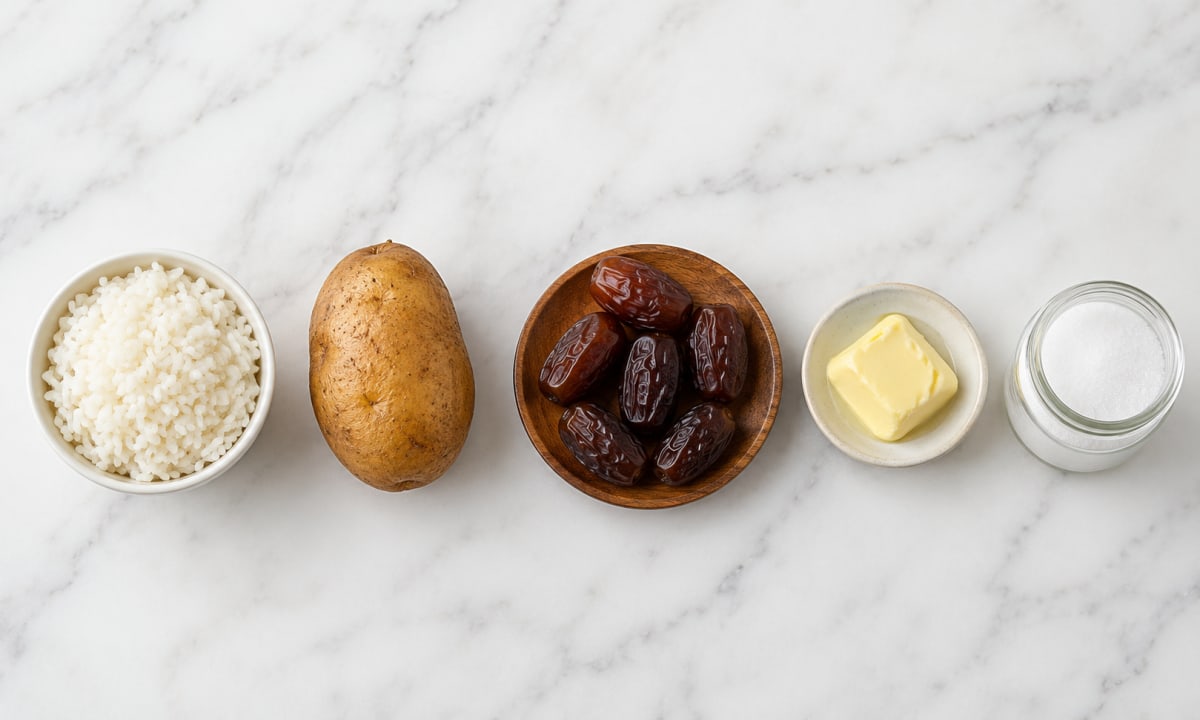
- 6. The 5 Daily Essentials
- 7. Allowed Foods (89)
- 8. Forbidden Foods (81)
- 9. Why These Foods Are Forbidden
- 10. How to Start (4-Week Plan)
- 11. Al-Tayebaat vs Other Diets
- 12. Common Mistakes to Avoid
- 13. Expected Results Timeline
- 14. Frequently Asked Questions
Who Was Dr. Diaa Al-Awadi?
Dr. Diaa Al-Din Shalaby Mohamed Al-Awadi (1979-2026) was an Egyptian physician trained in anesthesiology, intensive care, and pain management at the prestigious Faculty of Medicine at Ain Shams University in Cairo. Born into an academic family, he graduated with honors and initially pursued the traditional medical path — diagnosing patients, prescribing medications, and performing the work of a modern critical-care doctor.
But his clinical observations would change everything. Over years of treating patients across Cairo's Nasr City and Nozha districts, he noticed a recurring pattern: illness rarely arrived from nowhere. Patients came in for surgery already weighed down by metabolic disorders, chronic inflammation, and digestive distress. The medications addressed symptoms, but the underlying causes remained untouched.
From Operating Theatre to Dietary Teaching
The shift in Dr. Al-Awadi's focus came not from theory, but from direct clinical observation. He began asking a deceptively simple question: what were these patients eating in the years before they got sick? What he discovered led him to spend over a decade studying nutrition — not as a supplementary topic, but as the foundation of human health.
He drew from multiple sources: modern nutritional science, classical Islamic dietary principles, ancient medical traditions, and the eating patterns of healthy populations across cultures and history. A common thread emerged in his research: traditional, unprocessed, locally-sourced foods consumed in modest amounts with regular pauses (fasting) consistently produced healthier populations than the industrial-processed Western diet that came to dominate the 20th century.
His Scientific Approach
Dr. Al-Awadi's clinical background as an anesthesiologist gave him a unique perspective. Anesthesia requires precise understanding of how drugs interact with human physiology, how the body responds to stress, and how its systems function under extreme conditions. This precision informed his nutritional teaching — every claim he later made about hormones, digestion cycles, and food loads was filtered through this physiological lens.
Through Facebook, YouTube, and other social media platforms, he reached over one million followers, becoming one of the most influential — and most debated — voices in Arabic-language medical discourse. He died unexpectedly in April 2026 in Dubai at the age of 47, leaving behind a body of teachings that continues to shape how millions of Arabic speakers think about food.
What is the Al-Tayebaat System?
The word Tayebaat (الطيِّبات) in Arabic means "the wholesome, pure, beneficial things." Its counterpart, Khabaa'ith (الخبائث), refers to the impure, harmful, or unsuitable. This classification — rooted in classical Arabic and Islamic tradition — forms the philosophical foundation of the entire system.
The Al-Tayebaat system is not merely a food list — it is a complete way of life suitable for all humans, all ages, and all conditions.
Unlike fad diets focused solely on weight loss, Al-Tayebaat is presented as a system of health restoration. Its three core axes work together:
Axis 1: The Food List (What to Eat)
Al-Tayebaat divides all foods into two categories. The 89 allowed foods (Tayebaat) include traditional grains, certain meats, aged cheeses, specific fruits and vegetables, natural fats, and pure sweeteners. The 81 forbidden foods (Khabaa'ith) include all dairy except aged cheeses, industrial chicken, eggs, legumes, leafy greens, citrus fruits, white flour products, sodas, and most processed foods.
Axis 2: The Application Rules (How to Eat)
Knowing what to eat is only half the system. Six golden rules govern when, how much, and how often you eat. These rules are arguably more important than the food list itself, because even allowed foods become problematic when consumed incorrectly.
Axis 3: The Underlying Philosophy (Why)
Without understanding the philosophy, application becomes mechanical and unsustainable. The philosophy answers the deeper questions: why does this work, what is the body actually doing, and how does removing harmful inputs allow it to heal? This is what we'll explore next.
The Deep Philosophy of Al-Tayebaat
Al-Tayebaat rests on a philosophical foundation that differs fundamentally from mainstream dietary thinking. Understanding this philosophy is the key to success in application — without it, the rules feel arbitrary; with it, they become self-evident.
The core insight: the human body is not a passive recipient of food but an active, intelligent system with billions of years of evolutionary wisdom. When given the right conditions, it heals itself. When burdened with the wrong inputs, it produces what we call "disease" — but disease is often just the body's struggle to cope with what we've given it.
The Five Philosophical Pillars
Dr. Al-Awadi articulated his philosophy through five interconnected pillars. Each builds on the last, forming a coherent worldview about health, food, and the human body.
1 "The Body is Its Own Master"
This is the philosophical foundation of the entire system. As Dr. Al-Awadi put it:
The human body is a miraculous system. It knows what it needs and when it needs it. Our job is not to treat it — it is to remove the obstacles that prevent it from performing its natural functions.
Practical translation:
- Don't force the body onto a rigid regimen
- Listen to genuine hunger and thirst signals
- Give it wholesome food, and let it do the rest
2 Constructive Critique of Modern Medicine
Dr. Al-Awadi did not reject modern medicine. He valued its diagnostic tools, emergency care, and surgical advances. What he critiqued was its tendency to treat symptoms rather than causes — and especially its dietary recommendations.
His critique included:
- Symptom-based treatment: "We treat diabetic symptoms with insulin, but we don't ask: why did the body's regulation break down in the first place?"
- Contradictory dietary advice: "Modern medicine recommends milk for bone strength while ignoring its associations with multiple chronic conditions."
- Industrial supplements: "Synthetic supplements cannot replace whole, natural foods. The body knows the difference."
3 Return to the Fitra (Natural State)
Al-Tayebaat calls for a return to fitra — the natural, primordial state in which humans have always thrived. This means:
- Foods as created: Not industrially modified, not chemically altered
- Moderate amounts: Neither excessive feasting nor harsh deprivation
- Simple combinations: 2-3 items per meal, not complex multi-component dishes
- Regular fasting: Periodic rest for the digestive system
4 Quantity Before Quality
One of the most revolutionary aspects of Dr. Al-Awadi's philosophy:
It is not primarily the foods that cause problems — it is the quantities and timing. Even good food becomes harmful in excess.
Practical examples:
- ✅ Eating rice daily = good
- ❌ Eating massive portions of rice = problematic
- ✅ Eating beef = good
- ❌ Eating beef every day = problematic (apply "day on, day off" rule)
5 System Integration
Al-Tayebaat is a complete system — partial application produces partial results. Following the food rules without the timing rules, or removing forbidden foods while ignoring the 80% satiety rule, gives diluted results.
The full equation:
Right Foods + Right Quantities + Right Timing + Regular Fasting = Complete Health
The 6 Golden Rules — Detailed
These six rules govern the practical application of Al-Tayebaat. Memorize them, understand them, apply them — they are the daily operating manual of the system.
- Eat Only When Truly Hungry Distinguish between real hunger (a physical emptiness in the stomach that develops gradually) and false hunger (driven by boredom, habit, stress, or simply the clock saying it's mealtime). Real hunger is patient; false hunger is impatient. Real hunger accepts any allowed food; false hunger demands something specific. 💡 Simple test: If you would only eat one specific food right now, you're probably experiencing false hunger. If you'd happily eat any allowed food, you're truly hungry.
- Stop Before Full Satiety — The 80% Rule Eat until you are only 80% full, leaving 20% empty space in your stomach. This isn't a deprivation strategy — it's a digestive optimization. The 20% empty space allows the digestive system to actually process food rather than just contain it. 💡 Benefits: Reduced digestive burden, improved nutrient absorption, documented longevity benefits (similar to the Okinawan "hara hachi bu" principle), easier weight maintenance, and notably better mental clarity after meals.
- Only 2-3 Items Per Meal The simpler the meal, the more efficient the digestion. Complex meals with many ingredients overload the digestive system, which must produce different enzymes for different foods simultaneously. Most traditional cuisines, when examined honestly, feature simple combinations — Italian pasta with one sauce, Japanese rice with one fish, Levantine bread with cheese and olive oil. 💡 Examples of good meals: Rice + lamb + potato (3 items). Rice + fish + butter (3 items). Bread + cheese + honey (3 items). The variety should come between meals, not within a single meal.
- Drink Only When Thirsty Forget the "8 glasses of water a day" myth. This rule, which became universal medical advice without solid scientific backing, ignores the body's sophisticated thirst regulation. Excessive water intake dilutes digestive enzymes, stresses the kidneys, and disrupts electrolyte balance. The body knows when it needs water. 💡 Critical timing: Don't drink water during meals (it dilutes digestive juices). Ideal times: a glass upon waking, between meals (at least an hour from eating), and a small glass before bed. Green tea, Turkish coffee, and herbal infusions count toward hydration.
- Regular Fasting is Essential In Al-Tayebaat, fasting is not optional — it is a foundational pillar. The system recommends following Islamic tradition: Mondays and Thursdays as weekly fast days, plus the 13th, 14th, and 15th of each lunar month (the "white days"). Beyond these, the natural 12-14 hour overnight fast (from dinner to breakfast) is built into every day. 💡 Fasting benefits: Digestive system rest, cellular autophagy (self-cleaning), blood sugar regulation, immune function enhancement, mental clarity, and metabolic flexibility. Modern research has only recently caught up to what traditional cultures have practiced for millennia.
- "Day On, Day Off" for Animal Protein Perhaps the most counterintuitive rule for many: do not eat animal protein every day. The body needs significant time to process meat, fish, and other animal proteins — full digestion can take 12-48 hours depending on the protein source. Eating animal protein daily creates a continuous digestive load that the body never gets to release from. 💡 Practical pattern: Animal protein day → Vegetarian day → Animal protein day → Vegetarian day. On vegetarian days, focus on rice, potatoes, dates, olive oil, aged cheese, and nuts. This isn't a restriction — it's a rhythm.

The 5 Daily Essentials — Detailed
Five foods form the foundation of every day in Al-Tayebaat. These can be consumed daily, in unlimited quantities, and serve as the cornerstones around which every meal is built. Dr. Al-Awadi identified these as foods the body welcomes without any digestive burden — foods humanity has eaten consistently for thousands of years.
1. White Rice 🍚
Plain white rice, cooked simply without garlic, excessive salt, or complex spices. Whether basmati, Egyptian, Thai jasmine, or short-grain — quality rice is welcomed daily. Brown rice is also acceptable but not necessary; the bran's nutritional benefits are offset by its higher anti-nutrient content (phytic acid, lectins), and white rice digests more cleanly.
Practical tips: Rinse rice before cooking to remove excess starch. Cook with simple broth or just water. Pair with olive oil or natural butter rather than complex sauces.
2. Potatoes (Regular and Sweet) 🥔
Potatoes — boiled, baked, mashed, or fried in natural oils — provide complex carbohydrates the body has known throughout history. Sweet potatoes are equally welcome and offer additional carotenoids. The fear of potatoes in modern dietary thinking is largely misplaced; the problem is typically the toppings (butter overload, sour cream, fried in industrial oils), not the potato itself.
3. Dates 🌴
Nature's perfect snack, dates are extraordinarily rich in minerals — particularly iron, magnesium, and potassium. They provide quick natural energy, are recommended specifically for pregnant women, and serve as ideal pre-fast or post-fast foods. Medjool dates are especially nutritious, but any natural variety works.
Daily target: 3-7 dates throughout the day. Excellent first food upon waking with a glass of water.
4. Natural Butter 🧈
Real, traditional butter from grass-fed cows — not margarine, not "vegetable spreads," not "buttery substitutes." Butter provides fat-soluble vitamins (A, D, E, K2), short-chain fatty acids beneficial for gut health, and the satiating qualities of natural fat. The decades-long demonization of butter is among modern nutrition's most persistent errors.
5. Sugar 🍬
Yes, sugar. Dr. Al-Awadi argued strongly against the modern war on sugar, distinguishing between natural sugar (cane sugar, beet sugar, date molasses, honey) and industrial high-fructose corn syrup, artificial sweeteners, and processed sweets that fill modern supermarket shelves.
The body needs glucose. Every cell uses it. The brain especially depends on it. The question is not "sugar yes or no," but "what kind of sugar and how much?" Pure cane sugar in moderate amounts is welcomed; the industrial sweeteners that hide in nearly every processed food are forbidden.
The 89 Allowed Foods — Categories
Beyond the five daily essentials, 84 additional foods are allowed, organized into categories. Here's an overview of each category with the most important members:
🥩 Allowed Meats
- Lamb / Mutton — preferably from grass-fed sources
- Beef and veal — fresh, not processed
- Camel meat — considered by Dr. Al-Awadi the finest of meats
- Rabbit meat
- Goat meat
- Game birds: quail, pigeon, turtle dove (but not industrial chicken)
🐟 Allowed Fish & Seafood
- Fresh sardines (grilled, not canned in industrial oil)
- Fresh tuna
- Predatory fish (fish that eat other fish — generally cleaner)
- Specific Mediterranean fish: sea bass, dorado, sole
🧀 Allowed Cheeses (Aged Only)
- Gouda, Edam, Cheddar (aged varieties)
- Roquefort and other blue cheeses
- Aged Roumi cheese (Egyptian traditional)
- Parmesan, Emmental
- Natural mozzarella (not industrial)
The reasoning: aged cheeses have undergone natural fermentation, breaking down the problematic proteins (especially casein) that make fresh dairy difficult to digest.
🍎 Allowed Fruits
- Apples (peeled — the peel contains anti-nutrients)
- Grapes — black, red, green
- Pomegranate (with seeds)
- Dates (all varieties)
- Black figs (seasonal)
- Stone fruits, peeled: cherries, apricots, peaches, plums
🥜 Allowed Nuts & Seeds
- Almonds, walnuts, cashews
- Pistachios, pine nuts
- Peanuts (technically legume but allowed)
- Sesame seeds and tahini (pure)
🍯 Natural Sweeteners
- Bee honey (pure, not heated or industrial)
- Date molasses
- Natural cane or beet sugar
- Traditional jams: fig, apricot, strawberry, quince
☕ Allowed Beverages
- Turkish coffee (from trusted source)
- Green tea
- Herbal infusions: cinnamon, anise, fennel, sage
- Fresh water (when thirsty)
For the complete organized list with frequency indicators (daily/weekly/sometimes), see the full Allowed Foods page.
The 81 Forbidden Foods — Categories
The forbidden foods (Khabaa'ith) span 15 categories. Here are the most critical ones to know — even small amounts can disrupt the system's benefits:
🥛 Dairy (Except Aged Cheeses)
- Pasteurized milk (all varieties)
- Yogurt and yoghurt-based products
- Labneh, sour cream, cream cheese
- White cheese (Egyptian feta, halloumi)
- Industrial mozzarella, cottage cheese
- Ice cream, custards, milk-based desserts
🍗 Industrial Poultry & Eggs
- All industrial chicken (broilers raised with growth hormones)
- Industrial turkey
- All eggs (chicken, duck, quail)
- Egg-derived products: mayonnaise, hollandaise, certain baked goods
🌾 White Flour & Its Products
- White bread (all varieties: sliced, baguette, pita made from white flour)
- Pasta and all noodle products
- Pastries, croissants, donuts
- Biscuits, crackers, cookies
- Cakes (unless made with whole wheat)
- Pizza dough, calzones
🫘 Legumes (All)
- Beans (white, red, kidney, navy)
- Lentils (red, green, brown)
- Chickpeas (and all chickpea-based foods like hummus)
- Fava beans (foul, the Egyptian staple — surprisingly forbidden)
- Black beans, pinto beans
🥬 Leafy Greens
- Spinach (raw and cooked)
- Lettuce (all varieties)
- Parsley, cilantro, dill
- Mulukhiyah (Egyptian jew's mallow)
- Arugula, kale, swiss chard
- All salad greens
🍊 Citrus & Acidic Fruits
- Oranges, mandarins, clementines
- Lemons, limes
- Kiwi
- Avocado
- Papaya
- Pineapple (also high in bromelain)
🍉 Specific Forbidden Vegetables
- Watermelon and cantaloupe
- Onion and garlic (controversial — Dr. Al-Awadi advised against)
- Cucumber, zucchini
- Carrots, broccoli, cauliflower
- Cabbage, brussels sprouts
🥤 Forbidden Beverages
- Sodas (Coca-Cola, Pepsi, all carbonated drinks)
- Energy drinks (Red Bull, Monster)
- Black tea
- Alkaline / processed water
- Industrial juices (orange juice, apple juice from concentrate)
- Sports drinks
For the complete list with category-by-category reasoning, see the full Forbidden Foods page.
Why These Specific Foods Are Forbidden
What surprises most newcomers to Al-Tayebaat is what the system forbids: foods commonly considered "healthy" in modern nutritional advice. Each prohibition has detailed reasoning. Here are the most important:
Why is Milk Forbidden?
Dr. Al-Awadi argued that pasteurized industrial milk transforms in the stomach into a compound he called "acid caseinate" — a substance the body struggles to process. This compound, in his clinical view, contributes to:
- Chronic inflammation throughout the body
- Mucus production in respiratory passages
- Digestive distress: bloating, gas, irregular bowel movements
- Skin conditions: acne, eczema, dermatitis
- Potential links to autoimmune flare-ups
The exception for aged cheeses is significant. During the months-long aging process, bacterial cultures break down the problematic casein and lactose into smaller, more digestible compounds. This is why traditional cultures could consume aged cheeses without the issues associated with fresh milk.
Why Are Leafy Greens Forbidden?
Counter to mainstream nutrition, Al-Tayebaat excludes spinach, lettuce, parsley, and similar raw greens. The reasoning involves several factors:
- Oxalate content: Spinach, in particular, is exceptionally high in oxalates, which bind to calcium and other minerals, preventing absorption and potentially contributing to kidney stone formation.
- Anti-nutrients: Lectins and phytates in many leafy greens interfere with nutrient absorption.
- Digestive burden: Cellulose-heavy raw vegetation requires significant digestive effort. Humans evolved to consume green plant matter in limited quantities, not as a daily staple.
- Modern hybridization: Today's leafy greens have been bred for size and shelf life, with substantially different chemical profiles from their wild ancestors.
Why Is Industrial Chicken Forbidden?
Industrial chicken differs profoundly from the chicken our grandparents ate. Modern broiler chickens are:
- Raised in 6-8 weeks (compared to 4-6 months historically)
- Given growth hormones and antibiotics throughout their lives
- Fed industrial grain-based diets, often supplemented with chemicals
- Bred for unnaturally rapid muscle growth, creating different protein structures
The "chicken" Dr. Al-Awadi described as healthy — game birds like quail, pigeon, and turtle dove — bears little resemblance to the industrial broiler chicken sold in supermarkets today. Free-range, organic chicken is a partial improvement but still not equivalent to historically raised birds.
Why Avoid Citrus Fruits?
Oranges, lemons, kiwi, and similar acidic fruits are excluded because of their high acid content. Dr. Al-Awadi associated frequent citrus consumption with:
- Disruption of the body's natural pH balance
- Irritation of the digestive tract lining over time
- Erosion of tooth enamel (a documented effect)
- Potential aggravation of inflammatory conditions
- Disruption of mineral absorption
The vitamin C content of citrus is often cited as the reason for daily consumption, but many allowed foods provide vitamin C without the acid load.
Why Are Legumes Forbidden?
Beans, lentils, and chickpeas — staples in many traditional diets — are excluded from Al-Tayebaat for these reasons:
- Lectins: Plant defensive proteins that resist digestion and may damage intestinal lining
- Phytic acid: Binds minerals (zinc, iron, calcium) preventing absorption
- Saponins: Compounds that can disrupt cell membranes
- Digestive distress: The notorious gas and bloating from legumes indicates incomplete digestion
- Soaking and cooking help but don't fully eliminate these compounds
How to Start the Al-Tayebaat System
Transitioning to Al-Tayebaat should never happen overnight. The body, accustomed to its current diet for years or decades, needs time to adapt. Dr. Al-Awadi recommended a gradual 4-week approach that thousands of his followers have successfully used.
Week 1: Eliminate White Flour
Remove all white flour products from your diet:
- White bread (all varieties)
- Pasta, noodles, instant noodles
- Pastries, croissants, donuts
- Biscuits, crackers, cookies
- Cakes (unless made with whole wheat)
- Pizza dough, calzones, pies
Replace with: whole wheat bread, rice, potatoes, sweet potatoes. This single change often produces dramatic improvements in energy, digestion, and bloating within just 5-7 days.
Week 2: Eliminate All Dairy (Except Aged Cheeses)
This is often the hardest week for many. Eliminate:
- Milk in coffee, tea, cereal
- Yogurt and all yogurt-based products
- White cheese, halloumi, feta
- Cream cheese, sour cream
- Ice cream, milk-based desserts
- Hidden dairy in baked goods and sauces
Replace with: aged cheeses (Gouda, Cheddar, Roquefort), black coffee or Turkish coffee, herbal teas. Many people report clearer skin, reduced congestion, and improved breathing within this single week.
Week 3: Eliminate Industrial Chicken and Eggs
Remove industrial poultry and all eggs. Replace with:
- Lamb (3-4 times per week)
- Beef or veal (2-3 times per week)
- Camel meat (if available)
- Rabbit
- Game birds (quail, pigeon) when accessible
- Fresh fish on non-meat days
Remember the "day on, day off" rule — alternate animal protein days with vegetarian days focused on rice, potatoes, olive oil, aged cheese, and nuts.
Week 4: Eliminate Leafy Greens, Legumes, and Citrus
The final week completes the transition. Remove:
- All leafy greens and salads
- All legumes (beans, lentils, chickpeas, fava beans)
- Citrus fruits and acidic fruits
- Most raw vegetables (especially the forbidden ones)
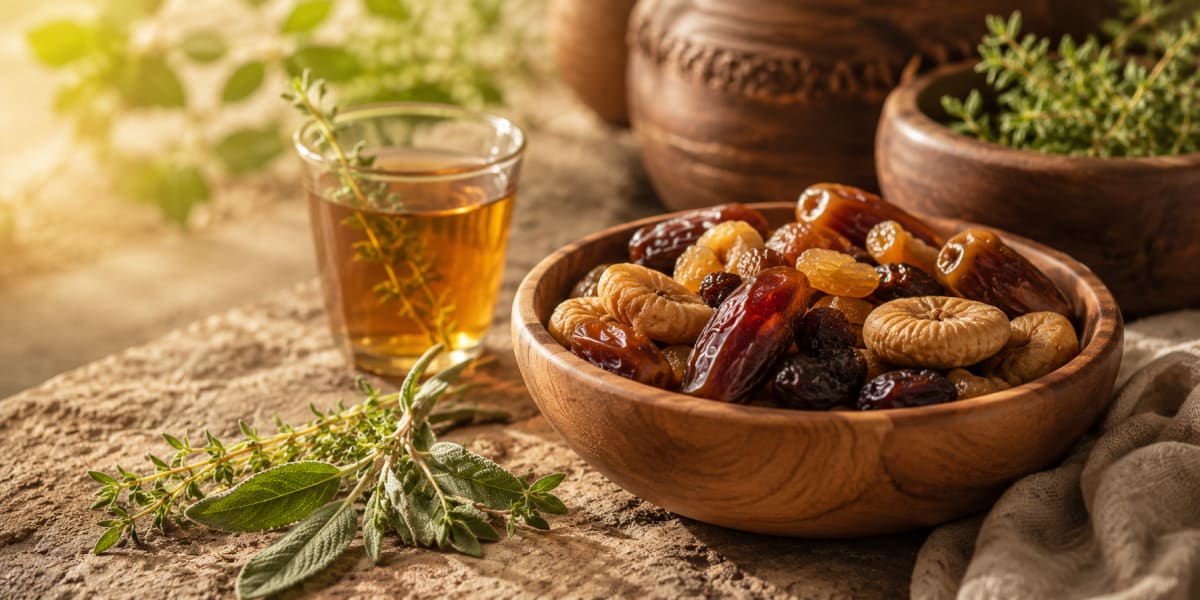
Focus on: cooked allowed vegetables (potatoes, pumpkin, stuffed vegetables), peeled apples and pomegranates, dried fruits (dates, figs, raisins).
By the end of week 4, your meals should look completely different from where you started. More importantly, you should be feeling significantly different too — with sustained energy, clearer thinking, and better digestion.
Al-Tayebaat vs Other Popular Diets
Al-Tayebaat is often confused with other dietary approaches that share some surface similarities. Understanding the differences helps clarify what makes it unique.
Vs. Mediterranean Diet
Vs. Keto Diet
Vs. Vegan / Vegetarian
Vs. Paleo
Vs. Intermittent Fasting
8 Common Mistakes to Avoid
Even committed practitioners stumble. Here are the most common mistakes and how to avoid them:
Mistake 1: Sudden Total Transition
Trying to eliminate everything forbidden in a single day. This shocks the body, creates intense cravings, and typically leads to abandoning the system entirely within a week.
Mistake 2: Ignoring the Five Essentials
Many beginners fear the daily essentials (especially rice, potatoes, sugar) because of modern dietary warnings about carbs. They restrict these foods and feel constantly hungry.
Mistake 3: Drinking Water During Meals
Out of habit, drinking water throughout meals — diluting the digestive juices and impairing digestion of every food consumed.
Mistake 4: Too Much Variety in One Meal
Loading a single meal with 5-8 different items — even if all are allowed. This overwhelms digestion and breaks the 2-3 item rule.
Mistake 5: Daily Animal Protein
Eating meat, fish, or other animal protein every single day. This violates the "day on, day off" rule and creates continuous digestive load.
Mistake 6: Skipping Fasting
Treating fasting as optional or "for advanced practitioners." Fasting is foundational, not optional, in Al-Tayebaat.
Mistake 7: Excess Even of Allowed Foods
"It's allowed, so I can eat unlimited amounts." Excess is excess, even of dates, butter, or sugar. The 80% rule applies regardless of what's on your plate.
Mistake 8: Ignoring Medical Warnings
Stopping medications, ignoring doctors' advice, or attempting to "heal" serious conditions purely through dietary change without medical supervision.
Expected Results Timeline
Results vary significantly based on starting health, body composition, age, and adherence. However, common patterns have emerged among practitioners. Here's a general timeline:
Days 1-7: The Transition Phase
Expect some initial discomfort: cravings (especially for sugar and bread), mild headaches, fatigue, possible irritability. This is the body adjusting away from years of processed foods and constant snacking. Stay the course.
Weeks 2-3: Stabilization
Energy stabilizes — often at a higher baseline than before. Digestion noticeably improves. Sleep deepens. Mental fog begins to lift. Bloating typically decreases significantly.
Months 1-2: Visible Changes
Body composition begins shifting (typical weight changes: 4-8 kg for those who needed it, or gradual healthy weight gain for those underweight). Skin clears noticeably. Hair quality improves. Brain fog disappears. Mood stabilizes.
Months 3-6: Deep Restoration
Chronic symptoms (joint pain, allergies, digestive issues, skin conditions) often significantly improve. Hormonal balance restores for many. Energy reaches sustained high levels without coffee dependency. Sleep is consistently restorative.
Year 1+: New Baseline
The new way of eating becomes natural — not effortful. Old cravings disappear. Old foods actually taste different (often unpleasant after extended absence). A new normal of vibrant health establishes itself.
Frequently Asked Questions
What is the Al-Tayebaat diet system in simple terms?
Al-Tayebaat is a dietary system developed by Dr. Diaa Al-Awadi based on consuming 89 natural unprocessed foods and avoiding 81 industrial or harmful ones. It revolves around 5 daily essentials (rice, potato, dates, butter, sugar) and 6 golden rules covering when, how, and how much to eat. The core philosophy: give the body what is good, and it will heal itself.
What are the 6 golden rules of Al-Tayebaat?
(1) Eat only when truly hungry, (2) Stop before full satiety (80% rule), (3) Limit to 2-3 items per meal, (4) Drink only when thirsty, (5) Practice regular fasting (Mondays and Thursdays plus 13/14/15 of lunar month), (6) Apply the day-on/day-off rule for animal protein.
What are the 5 daily essentials?
The 5 daily essentials that can be consumed in unlimited quantities are: (1) White rice, (2) Potatoes (regular and sweet), (3) Dates, (4) Natural butter from grass-fed sources, and (5) Sugar (natural, not industrial). These are the cornerstones the body has co-evolved with over millennia.
Is Al-Tayebaat suitable for everyone?
Al-Tayebaat is designed as a general lifestyle approach for healthy adults. However, for special cases — pregnancy, breastfeeding, children, diabetes, hypertension, autoimmune conditions, kidney disease — always consult your physician or a registered dietitian before applying. Never stop chronic medications without medical supervision.
How long until I see results?
Most followers report improvements in energy and digestion within 2-3 weeks. Visible changes in skin, weight, and mental clarity typically appear after 1-2 months. Deeper benefits in chronic conditions often develop over 3-6 months of consistent practice. Individual results vary significantly.
Why is milk forbidden when it's considered healthy elsewhere?
Dr. Al-Awadi argued that pasteurized industrial milk transforms in the stomach into "acid caseinate" — a compound he linked to inflammation, mucus production, and digestive distress. Only aged cheeses (where natural fermentation has broken down problematic proteins) are allowed. This view diverges from mainstream dietary recommendations.
Can I drink water freely?
No. The system explicitly rejects the "8 glasses a day" rule. Drink only when truly thirsty. Excessive water dilutes digestive enzymes and stresses the kidneys. The body has a sophisticated thirst signal — trust it. Avoid water during meals especially.
What if I accidentally eat a forbidden food?
Don't panic or abandon the system. One slip doesn't undo progress. Continue the system from your next meal. The 80/20 principle applies — if you're following the system 80% of the time, you'll still experience most of its benefits. Aim for consistency over perfection.
Can I combine Al-Tayebaat with Keto or Vegan diets?
No, they conflict significantly. Al-Tayebaat allows carbohydrates (rice, potatoes, dates, sugar) that Keto forbids, and emphasizes animal protein cycling that Vegan diets exclude. Al-Tayebaat should be followed as its own complete system, not combined with conflicting frameworks.
Is Al-Tayebaat expensive to follow?
Often less expensive than typical Western eating patterns. The foundational foods (rice, potatoes, dates, butter, olive oil) are inexpensive staples. Animal protein costs drop because you eat it every other day rather than daily. The processed-food spending that disappears more than compensates for any premium on quality ingredients.
Can children follow Al-Tayebaat?
Children have specific nutritional needs (especially calcium for bone development) that require careful planning if dairy is eliminated. Consult a pediatrician or registered dietitian before applying any significant dietary restrictions to children. Don't apply adult dietary frameworks to children without professional guidance.